Category: Nutrition
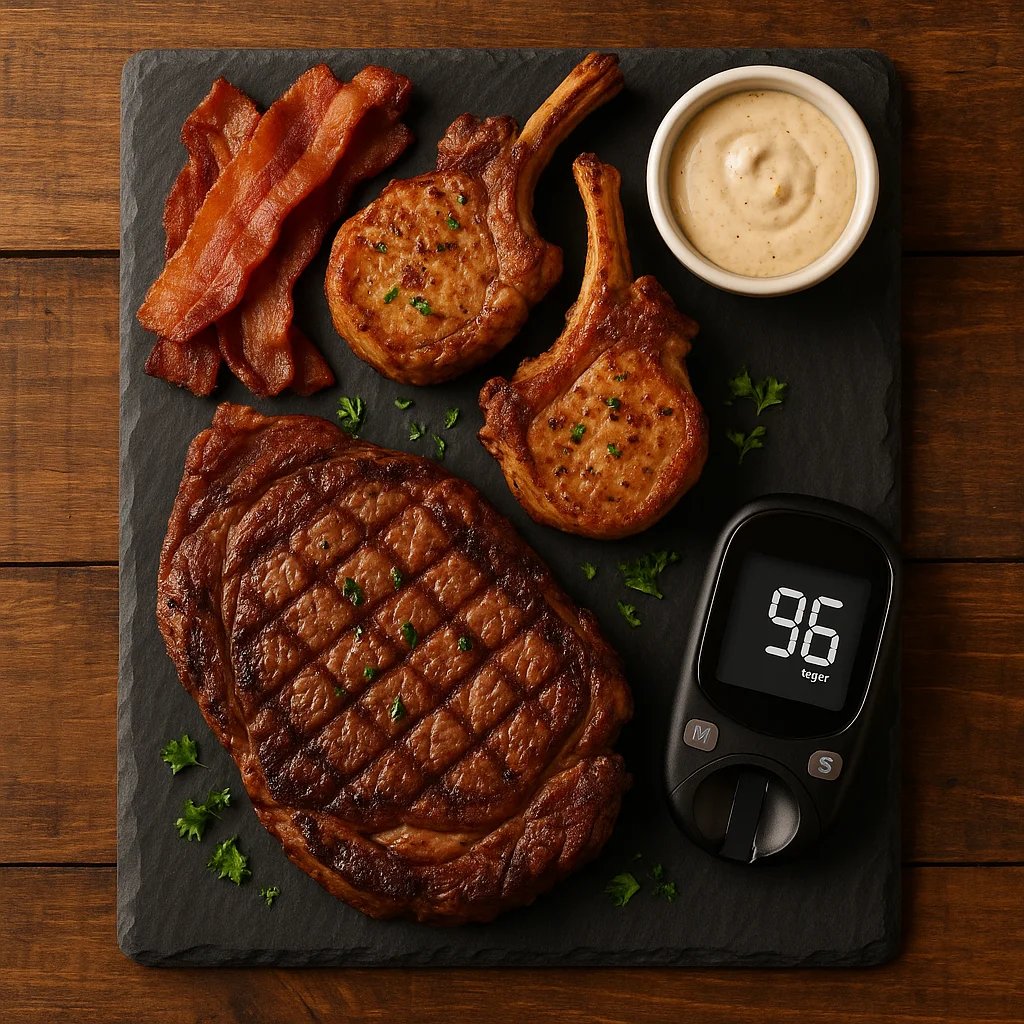
Considering a meat-only approach to lower carbs and stabilize blood sugar? Here is a clear, practical guide for diabetics who are curious about the carnivore diet, with safe air fryer techniques, meal planning tips, and monitoring strategies you can use right away.
For a refresher on blood sugar patterns and how meals affect them, see our [blood sugar control guide](/learn/healthy-fats-guide).
- Fewer glucose spikes after meals. Removing starches and sugars means post-meal readings often flatten. - A delayed rise from protein. Protein can raise blood sugar several hours later through gluconeogenesis. The timing is different than carbs, so watch your readings after protein-heavy dinners. - Dawn phenomenon may still show up. Morning glucose can be elevated due to hormones, even with very low carbs. Track trends and adjust meal timing as needed. - Hypoglycemia risk if medications stay the same. If you cut carbs significantly without changing doses, you can go low. Create a plan with your care team and monitor closely.
- Beef, lamb, pork steaks or chops: 145 degrees Fahrenheit, then rest 3 minutes. - Ground meats like burger patties: 160 degrees Fahrenheit. - Poultry like chicken thighs or breasts: 165 degrees Fahrenheit. - Fish and shellfish: 145 degrees Fahrenheit. - Eggs: 160 degrees Fahrenheit or until yolk and white are firm.
If you need a quick refresher on time and temp in the air fryer, bookmark our [temperature guide](/blog/air-fryer-temperature-guide-perfect-settings-for-every-protein).
- Choose a mix of fatty and lean cuts based on satiety and your glucose response. For example, rotate chicken thighs, salmon, and sirloin. - Season with salt, pepper, garlic powder, and herbs. Avoid sugar-heavy glazes and sauces. - Preheat the air fryer, pat meats dry, and avoid overcrowding so you get good browning. - Rest steak, pork chops, and lamb chops for at least 3 minutes after reaching 145 degrees Fahrenheit. - Keep a notebook or app to log time, temperature, and your glucose trend for each protein. Small adjustments can make a noticeable difference.
Here is a simple starter plan that keeps cooking realistic and safe:
Day 1 dinner: Air fryer chicken thighs - Pat dry, season with salt and pepper. Cook until 165 degrees Fahrenheit. Rest briefly before serving. - If you enjoy sauces, use butter-based pan sauces without sugar after cooking. Keep portions consistent so your glucose pattern stays predictable.
Day 2 dinner: Salmon bites - Cut salmon into chunks and spritz with olive oil. Season lightly. Air fry until the fish reaches 145 degrees Fahrenheit. - Salmon contains healthy fats that help fullness and may slow the post-meal glucose rise.
Day 3 dinner: Burger patties - Form patties and season simply. Air fry to 160 degrees Fahrenheit. Serve with a slice of cheese if dairy fits your plan. - Ground beef is convenient for batch cooking. Make extras for lunch the next day.
- Check fasting, pre-meal, and 2 to 3 hours after meals. Then check again 4 to 5 hours after higher protein dinners to catch delayed rises. - If you see early morning elevations, try moving your largest protein meal earlier in the evening or splitting it into two smaller meals. - If hypoglycemia occurs, treat it promptly and call your provider to discuss medication adjustments.
- Hydration: Aim for consistent water intake throughout the day. - Sodium: A modest increase can help with headaches and fatigue. Salt your food to taste. - Potassium and magnesium: These are important for muscle and nerve function. Some carnivore eaters include eggs and seafood for a broader mineral profile. - Digestion: Strict carnivore removes fiber completely. If constipation appears, increase fluids, salt to taste, and consider fattier cuts for lubrication. If you want to keep a very low-carb approach with a small portion of non-starchy vegetables, that would be a flexible alternative to strict carnivore, and some diabetics do better with it.
- Type 1 diabetes: Maintain basal insulin. Very low carbs reduce bolus needs, but stopping insulin entirely can be dangerous. - Advanced kidney disease: High protein needs medical supervision. - History of gout or severe lipid issues: Monitor labs and symptoms. - Pregnancy or breastfeeding: Nutrient needs are higher and more complex.
If you are unsure whether a recipe fits a diabetic-friendly approach, this explainer can help: [diabetic-friendly info](/learn/healthy-fats-guide).
- Use a thermometer every time. Visual cues can be misleading. - Pat proteins dry for better browning. Moisture delays crisping and can cause overcooking. - Elevate on a rack if your model supports it. Better airflow means more even cooking. - Keep cook times consistent across batches so your glucose data stays comparable. - Rest meats as required. That short rest improves juiciness and makes portions feel more satisfying.
- Crispy Air Fryer Chicken Thighs: [Air Fryer Lamb Chop Lollipops with Lemon Mint Yogurt and Roasted Peppers](/recipes/air-fryer-lamb-chop-lollipops-with-lemon-mint-yogurt-and-roasted-peppers) cooked safely to 165 degrees Fahrenheit. - Garlic Butter Salmon Bites: [Garlic Butter Salmon Bites](/recipes/air-fryer-lemon-garlic-salmon-with-asparagus) finished at 145 degrees Fahrenheit for tender, juicy fish. - Juicy Air Fryer Burger Patties: [Juicy Air Fryer Burger Patties](/recipes/air-fryer-juicy-low-carb-beef-burger-patties) at 160 degrees Fahrenheit for ground beef that pairs well with simple toppings.