Category: Cooking Tips
A well-seasoned air fryer keeps lean proteins and low-carb veggies from sticking, so you use less oil and avoid burnt bits. Learn a simple, repeatable method plus maintenance tips that support blood sugar goals and delicious results.
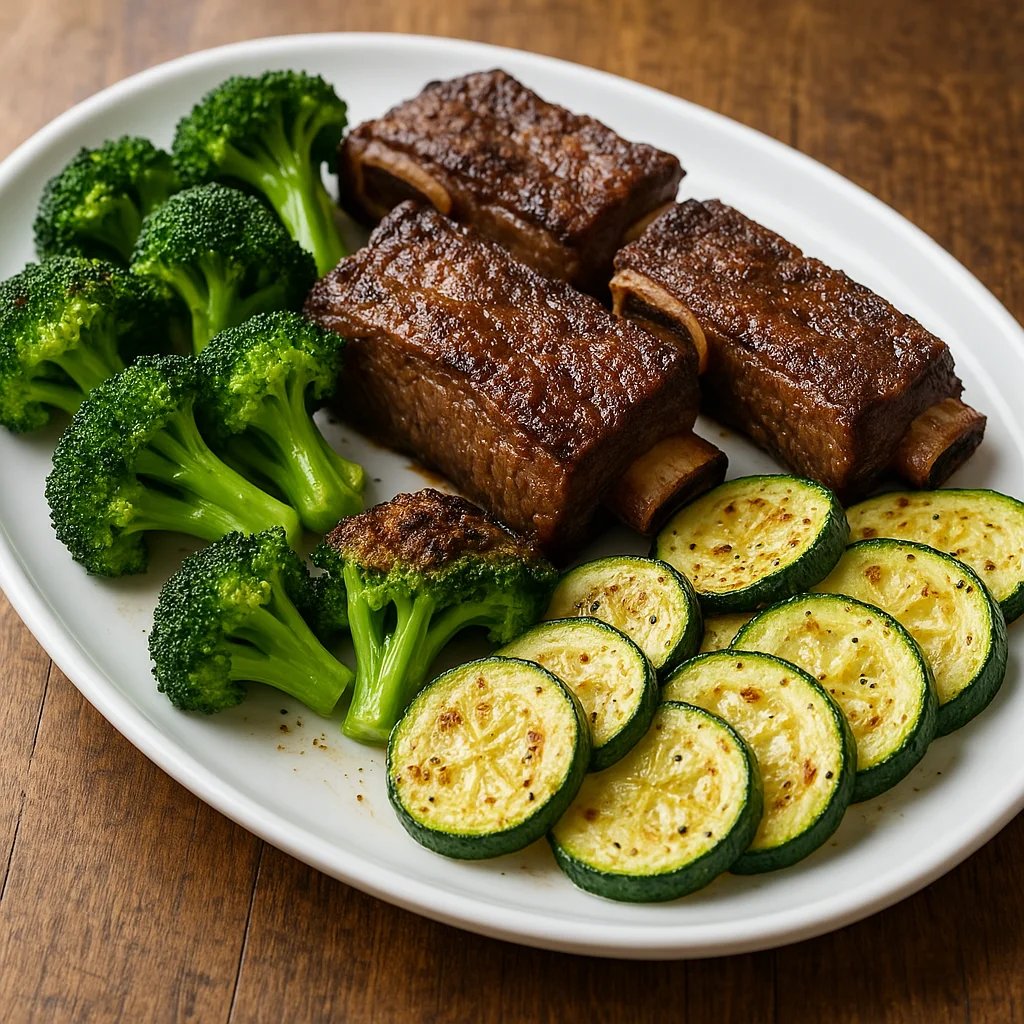
Seasoning your air fryer is one of those small habits that pays off every single week. Whether you are crisping zucchini fries or making carnivore diet air fryer beef short ribs, a conditioned basket releases food cleanly, needs less added fat, and saves time on cleanup. That is especially helpful when you are cooking low carb for diabetes management and want consistent, predictable results.
Here, seasoning is not about spices. It is the thin, invisible layer of oil that bonds to your basket and racks when heated. That layer fills microscopic pores, improves release, and reduces sticking. Think cast iron logic, adapted for air fryer materials.
This method works for uncoated metal baskets, crisper plates, and racks. It also helps many nonstick coated baskets. Always check your manual. If it allows a light oil wipe, you can season.
If you are new to air frying and low carb cooking, see our [beginner's guide](/authority/beginners-guide) and what makes a dish diabetic friendly in our [diabetic-friendly info](/learn/what-makes-recipe-diabetic-friendly).
1) Start spotless and dry - Wash the basket, crisper plate, and racks in warm soapy water. Rinse and dry completely. Any residue under the oil film can bake on.
2) Choose the right oil - Use a high smoke point, neutral or clean tasting fat. Good options include avocado oil, light olive oil, refined coconut oil, beef tallow, or canola. Avoid aerosol propellant sprays. They can leave a tacky film.
3) Apply a whisper thin coat - Add a half teaspoon of oil to a folded paper towel. Wipe the basket, crisper plate, sides, and any racks until they look satiny, not wet. If you can see droplets, wipe again. Thin is key.
4) Heat to bond the oil - Reassemble the dry, oiled parts. Preheat the empty air fryer to 350 degrees Fahrenheit for 5 minutes, then run at 350 to 380 degrees Fahrenheit for 10 to 15 minutes. A faint smell is normal. If you see visible smoke, you used too much oil. Pause, cool, and wipe off excess.
5) Cool, wipe, and repeat - Let everything cool, then wipe with a clean towel. Repeat the thin oil coat and heat cycle one more time. Two light rounds create a durable base layer.
- After cooking, while the basket is warm, wipe or hand wash and dry. If the surface looks dry or chalky, apply a pea sized amount of oil to a towel and swipe the surface. - Re season fully after deep cleans or dishwasher runs, or anytime food starts to cling. - Use parchment or a silicone liner for especially sticky sauces, but do not block air flow. Place liners only after preheating. - Avoid abrasive pads and metal tools. Use silicone tipped tongs and soft sponges to protect the seasoning layer. - Lightly oil foods, not the fryer. About 1 teaspoon of oil per pound of vegetables or meat is often enough once your basket is seasoned.
A conditioned surface keeps proteins and vegetables from tearing or leaving a sugary glaze stuck to the pan. That means you do not need starchy coatings to prevent sticking, and you can rely on a small amount of healthy fat to carry flavor. For steady energy and fewer surprises, pair good technique with mindful portions and consistent timing. Our [blood sugar control guide](/authority/blood-sugar-control) explains the big picture.
If you love steak night, this also makes a difference when you cook an air fryer ribeye zero carb carnivore recipe. A seasoned basket helps achieve a great sear without ripping the surface as you flip.
Fat dripping onto a hot base can smoke. Keep flavors clean with these habits:
- Trim visible fat and pat meat very dry. - Add 1 to 2 tablespoons of water to the drawer under the basket if your model allows it. The steam reduces smoke. - For very fatty batches, line the drawer with foil and poke a few holes so air still circulates. Never cover the entire basket. - Clean out rendered fat between batches. - Pre render bacon or fatty skin in a skillet for a few minutes, then finish in the air fryer.
More airflow equals better browning and less sticking. If you use dehydrator racks for high protein air fryer meals, season those racks just like the basket. Lightly oil, heat, cool, and repeat. Space items so air can move. Crowded food sweats instead of crisps.
Nonstick success is great, but food safety comes first. Use a thermometer and follow USDA minimums:
- Beef, lamb, pork steaks, chops, roasts: 145 degrees Fahrenheit, rest 3 minutes. - Ground meats: 160 degrees Fahrenheit. - Poultry: 165 degrees Fahrenheit. - Fish and shellfish: 145 degrees Fahrenheit. - Eggs: 160 degrees Fahrenheit or until yolk and white are firm.
Review timing basics in our [temperature guide](/learn/air-fryer-temperature-guide).
- Try tender short ribs with a sugar free dry rub: [Garlic Parmesan Air Fryer Shrimp and Zucchini Side](/recipes/garlic-parmesan-air-fryer-shrimp-and-zucchini-side). - Steak dinner, low effort: [Crispy Pork Chop Snack Bites with Zucchini Chips](/recipes/crispy-pork-chop-snack-bites-with-zucchini-chips-ibdt). - Seafood simplicity: [Crispy Parmesan Pork Chop Bites with Zucchini Coins](/recipes/crispy-parmesan-pork-chop-bites-with-zucchini-coins).
Browse more ideas in our [beef recipes](/recipes/category/beef) or head to quick cooking options in [seafood recipes](/recipes/category/seafood).
Seasoning is simple, but it changes how you cook. Clean surfaces, thin oil, a brief heat cycle, and a few smart habits give you reliable nonstick performance. That means less fuss, steadier carbs, and more time enjoying your low carb meals.