Air Fryer Ribeye and Carnivore-Style Recipes for Diabetic-Friendly Cooking
Category: Recipe Collections
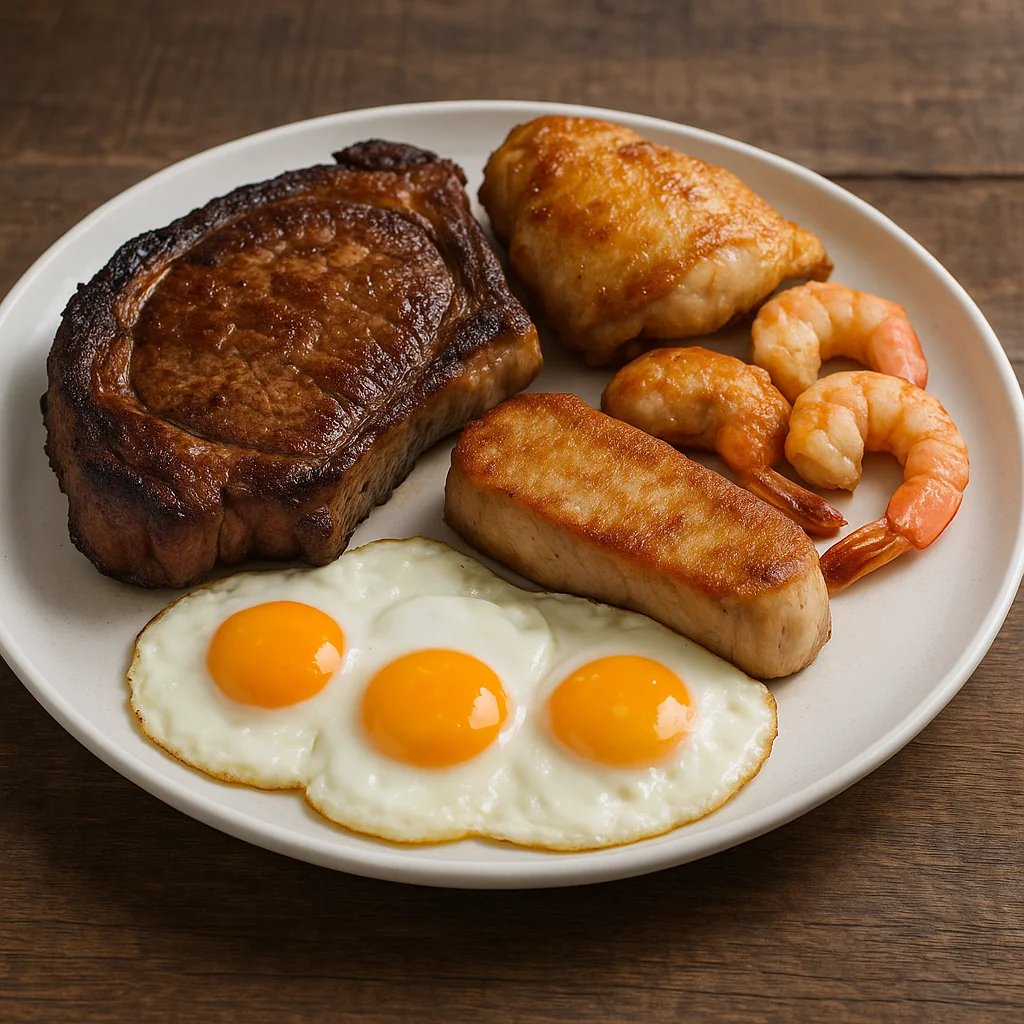
Craving meat-focused meals with zero added carbs that may help keep blood sugar steadier. This collection shares air fryer techniques and recipes, aligned with USDA food safety, to make steak, pork, poultry, seafood, and eggs work for a strict carnivore approach.
Very Low Carb Air Fryer Recipes for Carnivore-Style Dieters
If you are looking for an air fryer ribeye carnivore-style method and more meat-focused ideas that can support steadier blood sugar, you are in the right place. Every recipe here is strictly animal based, uses only salt and fat for seasoning, and follows USDA food safety temperatures. You will find quick wins for weeknights, plus batch-cooking tips that make a carnivore routine easier to maintain.
Use this guide alongside our [blood sugar control guide](/authority/blood-sugar-control) and our [diabetic-friendly info](/learn/what-makes-recipe-diabetic-friendly) to fine tune your meals.
Medical note: If you use insulin or medicines that can cause low blood sugar, work with your care team when reducing carbs and monitor your glucose closely.
Note on carbs: These recipes add no carbs. Eggs and organ meats contain small amounts of naturally occurring carbohydrates. If you count carbs, include them in your totals.
Foundations for meat-only air frying
- Preheat the air fryer. Hot air from the start gives better browning and helps fat render cleanly.
- Pat meat very dry. Surface moisture blocks crust formation. Dry brine with salt for 30 to 90 minutes when time allows, then pat dry again before cooking.
- Avoid crowding. Leave at least 1/2 inch of space between pieces so hot air can circulate. In a 5 to 6 quart basket, two average ribeye steaks fit without touching.
- Use a thermometer and cook to temperature, not time. Insert the tip into the thickest part, avoiding bone and large fat pockets. See our [temperature guide](/learn/air-fryer-temperature-guide) for help.
- Rest meats that require it. This locks in juices and improves texture, so you are less likely to want sauces.
- Choose animal fats that match your protein. Beef tallow, ghee, duck fat, and pork lard resist burning and add flavor without carbs.
Carnivore-style, zero added carb recipes for the air fryer
Each recipe lists a target internal temperature per USDA guidance. Always measure at the thickest point. Times are estimates and vary by thickness and air fryer size.
1) Ribeye with tallow baste
- How: Salt both sides, air dry in the fridge 30 to 90 minutes if possible. Pat dry, rub with a thin coat of beef tallow. Air fry at 400 degrees Fahrenheit for 8 to 12 minutes total, flipping once, until the steak reaches 145 degrees Fahrenheit. Let rest 3 minutes.
- Why it works for diabetes: No added carbs and a steady blend of protein and fat may help reduce rapid glucose swings. See our [beef recipes](/recipes/category/beef) for more ideas.
- Try our detailed method: [Air Fryer Ground Lamb Kofta with Zucchini and Garlic Yogurt](/recipes/air-fryer-ground-lamb-kofta-with-zucchini-and-garlic-yogurt).
2) Pork belly slabs, crackling finish
- How: Cut pork belly into 1 inch strips. Salt generously and refrigerate uncovered for 2 to 12 hours to dry the surface. Pat dry. Air fry at 390 degrees Fahrenheit for 18 to 25 minutes, turning halfway, until the fat is rendering and the surface is lightly browned. Increase to 425 degrees Fahrenheit for 2 to 3 minutes to crisp, watching closely. Verify at least 145 degrees Fahrenheit at the thickest part, then let rest 3 minutes. Do all crisping before the rest. Once rested, do not return the meat to the air fryer.
- Tip: Rendered fat can be saved to cook eggs or baste steaks.
3) Crispy chicken skin chips
- How: Lay chicken skins flat on a parchment lined rack. Salt lightly. Air fry at 375 degrees Fahrenheit for 12 to 18 minutes until deeply golden and any attached meat reaches 165 degrees Fahrenheit. Cool on a rack so they stay crisp.
- Use case: Snack, crunchy topper for ribeye, or side with salmon. Find more poultry ideas in [chicken recipes](/recipes/category/poultry).
- Full snack method: [Crispy Rosemary Pork Chop Bites with Air Fryer Cauliflower](/recipes/crispy-rosemary-pork-chop-bites-with-air-fryer-cauliflower).
4) Smash-style beef patties
- How: Form thin 3 to 4 ounce patties with 80 to 85 percent lean ground beef. Salt just before cooking. Air fry at 400 degrees Fahrenheit for 6 to 9 minutes total, flipping once, until 160 degrees Fahrenheit.
- Tip: Add a swipe of tallow or ghee after cooking for a juicy finish.
5) Salted chicken wings, no rubs
- How: Pat wings very dry. Salt and refrigerate uncovered for 1 to 12 hours. Air fry at 380 degrees Fahrenheit for 16 to 22 minutes, turning once, until 165 degrees Fahrenheit. Finish at 425 degrees Fahrenheit for 2 minutes if you want more crisp.
- Note: No baking powder needed. Dry skin and proper heat do the job.
6) Salmon fillets with crispy skin
- How: Pat dry, salt, and brush with a little ghee. Air fry skin side up at 390 degrees Fahrenheit for 7 to 11 minutes depending on thickness, until 145 degrees Fahrenheit.
- Tip: Start skin side up for a shatteringly crisp finish. Browse more options in [seafood recipes](/recipes/category/seafood).
- Detailed approach: [Air Fryer Lamb Chops with Beefy Garlic Mushroom Zucchini](/recipes/air-fryer-lamb-chops-with-beefy-garlic-mushroom-zucchini).
7) Beef liver crisps
- How: Slice liver into thin sheets, about 1/4 inch. Salt, pat very dry. Arrange on stackable racks so you can cook multiple levels at once without blocking airflow. Air fry at 300 degrees Fahrenheit for 12 to 18 minutes, turning once, until edges are crisp and the center reaches 160 degrees Fahrenheit.
- Tip: Crumble over burgers for a nutrient boost with no added carbs. If you count carbs, include the small natural carbs in liver.
8) Hard cooked eggs in the shell
- How: Place cold eggs in the basket. Air fry at 275 to 285 degrees Fahrenheit for 14 to 18 minutes depending on size. Cool in ice water. Peel and store. Eggs are safe when the yolk and white are firm or reach 160 degrees Fahrenheit.
- Use: Quick protein to pair with steak bites for a filling meal. Eggs contain small natural carbs, so count them if you track.
Batch prep and storage for steady routines
- Salt and air dry meats on trays, then cook across several baskets or racks for the week.
- Cool cooked meats on a rack before refrigerating so surfaces stay dry.
- Store portions with a drizzle of tallow to prevent drying.
- Reheat at 350 degrees Fahrenheit until the food reaches 165 degrees Fahrenheit throughout. Rest whole cuts briefly for texture if you like.
- Freeze cooked patties, wings, and salmon in single layers. Thaw in the fridge before a quick air fry reheat to 165 degrees Fahrenheit.
If you are just getting started, our [beginner's guide](/authority/beginners-guide) and [pantry staples](/authority/pantry-staples) can simplify planning. If your air fryer is small, cook in batches or use manufacturer-approved stackable racks to add a second level while maintaining airflow.
Safety checkpoints and temperatures
- Beef, lamb, or pork steaks, chops, or roasts: 145 degrees Fahrenheit, rest 3 minutes.
- Ground meats: 160 degrees Fahrenheit.
- Poultry: 165 degrees Fahrenheit.
- Fish and shellfish: 145 degrees Fahrenheit.
- Organ meats, such as liver: 160 degrees Fahrenheit.
- Eggs: 160 degrees Fahrenheit or until the yolk and white are firm.
These standards keep your animal based meals safe while supporting consistent, diabetes-friendly eating.
Frequently Asked Questions
Which fats support a diabetic-friendly carnivore approach?
Choose stable animal fats that resist scorching and do not add carbs. Beef tallow, ghee, duck fat, and pork lard work well. They can help you feel satisfied and may blunt post-meal glucose rises by slowing gastric emptying. Portion to taste and track your personal response with your meter or CGM. If your clinician has asked you to limit saturated fat, choose leaner cuts or use less added fat. For broader context see our [blood sugar control guide](/authority/blood-sugar-control).
Do I need special accessories to start air frying?
You can begin with the basket that came with your appliance. A reliable instant read thermometer is essential for hitting USDA temperatures. Optional stackable racks can help you cook more at once, and perforated racks are useful when making items like liver crisps or chicken skin chips, but they are not required.
Do air fryers use a lot of electricity compared to a regular oven?
They generally heat faster and cook smaller batches efficiently, which can reduce total energy use for everyday meals. Preheating is short, and the compact chamber concentrates heat on your food. For large roasts, a conventional oven may still make sense, but for steaks, wings, patties, and salmon, the air fryer is an efficient choice.
Can I prep and freeze air fryer meals for later?
Yes. Cook fully to the USDA temperature, cool quickly on a rack, then freeze portions on a sheet before bagging. Reheat from thawed at 350 degrees Fahrenheit until the food reaches 165 degrees Fahrenheit. Verify the safe internal temperature again before serving. Wings, burger patties, and pork belly reheat especially well.
How do I keep meat juicy without sauces or rubs?
Dry brine with salt, cook to temperature rather than by the clock, and let the meat rest when required. Finish with a spoon of warm tallow or ghee. Resting on a rack instead of a plate prevents the bottom from steaming and turning soggy.
Read the full article on Low Carb Air Fryer